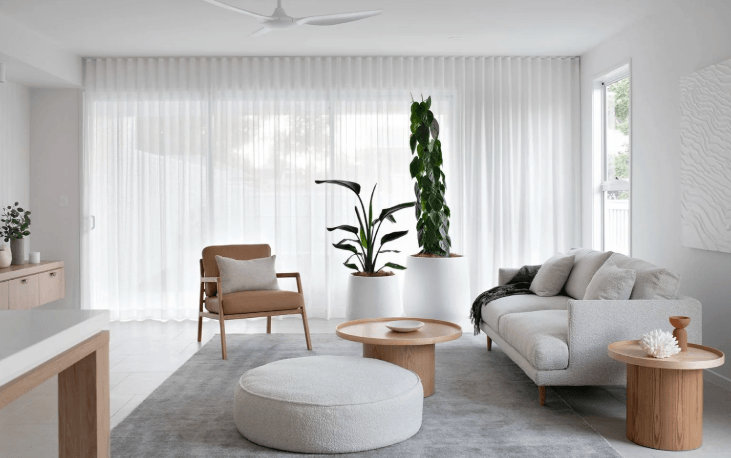
Home improvement is often associated with expensive renovations, construction work, and months of planning. In reality, improving a home can be much simpler. A new coat of paint, better storage, improved lighting, or a small change in the layout can make a noticeable difference to the way a house feels.
The most useful home improvements are not necessarily the ones that look impressive in photographs. They are the changes that make everyday life more comfortable, convenient, and enjoyable. Before starting any project, homeowners should think about how they actually use their space and what causes the most frustration.
A thoughtful approach can produce excellent results without turning the house upside down.
Begin With the Problems You Already Notice
Every home has areas that could work better. Perhaps shoes are always scattered near the entrance, the kitchen counter is too crowded, or a bedroom feels darker than it should.
Instead of immediately searching for expensive solutions, make a list of these everyday problems. Some may have surprisingly simple answers.
For example, a narrow hallway may need better hooks rather than a larger cabinet. A dark corner might only require a lamp or mirror. A messy kitchen could benefit from drawer organizers and shelves instead of a complete renovation.
Starting with real problems helps ensure that your money goes toward improvements that will actually make your life easier.
Refresh the Walls
Paint is one of the easiest ways to change a room. Over time, walls collect marks and lose some of their original freshness. Repainting can make an older space feel clean and new again.
The choice of color depends on the mood you want. Light, neutral colors can make smaller rooms feel more open, while warmer shades can create a cozy atmosphere. If you want more personality, consider painting one wall in a stronger color.
Wallpaper can also be useful when you want a distinctive look. Rather than covering an entire room, you can use it on one wall or in a smaller area.
Preparation should never be rushed. Repair holes, clean surfaces, and protect floors and furniture before beginning. A carefully prepared surface can make even an inexpensive paint job look much better.
Improve the Lighting
Lighting can completely change the character of a home. A room may feel uncomfortable simply because it has harsh or insufficient lighting.
Instead of relying on a single ceiling fixture, consider using several light sources. A floor lamp can brighten a dark corner, while a table lamp can create a softer atmosphere beside a sofa or bed.
Natural light should also be considered. Keep windows clean and avoid blocking them with heavy furniture. Curtains that allow daylight to enter can make rooms feel brighter during the day.
Mirrors are another useful option. Placed in the right position, they can reflect light and create the impression of a larger space.
Create Storage Where You Can
Clutter can make a home feel smaller than it really is. Better storage can solve this problem without requiring more square footage.
Look for unused areas. The space beneath a bed can hold seasonal clothing. Empty wall sections can accommodate shelves. The area beneath a staircase may be suitable for built-in storage.
In smaller homes, furniture with multiple purposes can be especially useful. A bench with hidden storage, for example, can provide seating while keeping shoes or other belongings out of sight.
The objective is not to hide everything. It is to make sure everyday belongings have a convenient place to live.
Give the Kitchen a Practical Update
The kitchen is often one of the busiest rooms in the house. Small improvements here can have a major impact on daily routines.
If the cabinets are still in good condition, there may be no reason to replace them. New handles, a different finish, or fresh paint can give them a completely different appearance.
Lighting beneath cabinets can improve visibility while preparing food. A new faucet or backsplash can also refresh the room.
Organization is just as important as appearance. Keep frequently used items close to the areas where they are needed. Remove appliances that are rarely used from the countertop and store them elsewhere.
A kitchen should be attractive, but it should first be easy to use.
Make the Bathroom More Functional
A bathroom does not need to be large to feel comfortable. Good organization and appropriate lighting can make a small space feel much more practical.
Start by dealing with maintenance issues. Repair leaks, replace damaged fixtures, and renew worn sealant where needed.
Adding shelves or wall-mounted storage can keep toiletries organized without taking up valuable floor space. A larger mirror can also make a small bathroom feel more open.
Choose materials that can handle moisture and are easy to clean. Beautiful finishes are useful, but practicality should remain a priority in a room that is used every day.
Improve Energy Efficiency
Some home improvements can reduce energy waste while making the house more comfortable.
Check windows and doors for drafts. Worn seals can allow warm or cool air to escape, making heating and cooling systems work harder.
Energy-efficient lighting is another simple improvement. You can also consider smart controls that make it easier to manage lights and temperature according to your schedule.
Insulation may require a larger investment, but it can be worthwhile in homes that become extremely hot or cold. Before making major changes, consider getting professional advice about what your property actually needs.
There are darknesses in life and there are lights. Life is to be lived, not controlled. He had a massive heart, a heart big enough to hold all the sorrow of the world.
Give the Entrance More Attention
The entrance is often overlooked, even though it is the first part of the home visitors see.
A clean front door, suitable outdoor lighting, attractive house numbers, and a few well-maintained plants can make the exterior more welcoming.
Inside the entrance, hooks and a small storage bench can help keep coats, shoes, and bags organized. This is particularly useful for families because the entrance can quickly become a collection point for everyone’s belongings.
A tidy entrance also creates a better transition between the outside world and the living areas of the house.
Turn Outdoor Areas Into Living Spaces
A garden, balcony, patio, or small terrace can become an important part of your home.
Comfortable seating, plants, and simple outdoor lighting can turn an unused area into a place for reading, eating, or spending time with family.
You do not need elaborate landscaping. A few carefully chosen plants and regular maintenance can be enough to create an inviting environment.
If the area is small, choose furniture that can be folded or moved easily. Vertical gardening can also add greenery without taking up much floor space.
Think About How Your Family Lives
There is no single formula for a perfect home. The right improvements depend on the people living there.
A family with children may need durable surfaces, accessible storage, and easy-to-clean furniture. Someone working from home may benefit from a dedicated workspace. A person who loves entertaining guests may prefer to focus on the kitchen and living room.
Think about your routines. Which activities happen most often? Where do people gather? Which areas cause problems?
The answers can guide your priorities far better than following a general decorating trend.
Avoid Unnecessary Trends
Trends can provide inspiration, but they should not dictate every decision. A style that is popular today may look dated after a few years.
For major improvements, choose colors, materials, and layouts that you are likely to enjoy for a long time. If you want to experiment with trends, use smaller items such as cushions, artwork, rugs, or accessories that can easily be changed.
This approach can save money while allowing your home to evolve.
Know When to Hire a Professional
DIY projects can be satisfying, but not every job should be handled without professional experience.
Electrical work, structural changes, major plumbing projects, and other specialized tasks can involve safety risks. Attempting them without the appropriate knowledge may also create expensive problems later.
A professional may cost more initially, but proper workmanship can protect the home and prevent future repairs.
Improve Your Home Gradually
There is no rule saying that every room must be renovated at once. In fact, improving one area at a time is often more practical.
Start with the room that causes the most problems or the improvement that will have the greatest effect on daily life. Once that project is complete, move to the next.
This makes it easier to manage your budget and prevents the entire house from becoming a construction zone.
See also: How Businesses Build Scalable Platforms
Final Thoughts
Home improvement is ultimately about making a house work better for the people who live in it. You do not need an enormous budget or a complete renovation to create meaningful change.
Small improvements such as better lighting, smarter storage, fresh paint, practical kitchen updates, and a more organized entrance can have a surprisingly large effect.
The best approach is to start with genuine problems, plan carefully, and choose solutions that fit your lifestyle. Focus on comfort and usefulness rather than trying to make your home look exactly like someone else’s.
A well-improved home is not necessarily the most luxurious one. It is the place where daily routines feel easier, rooms feel welcoming, and the people living there can truly relax.
